
Syn-Xpress™ Gold VHH
Cell-Free Kit
Use Synthelis’ Cell-free Technology
to produce your own VHHs and mini-binders.


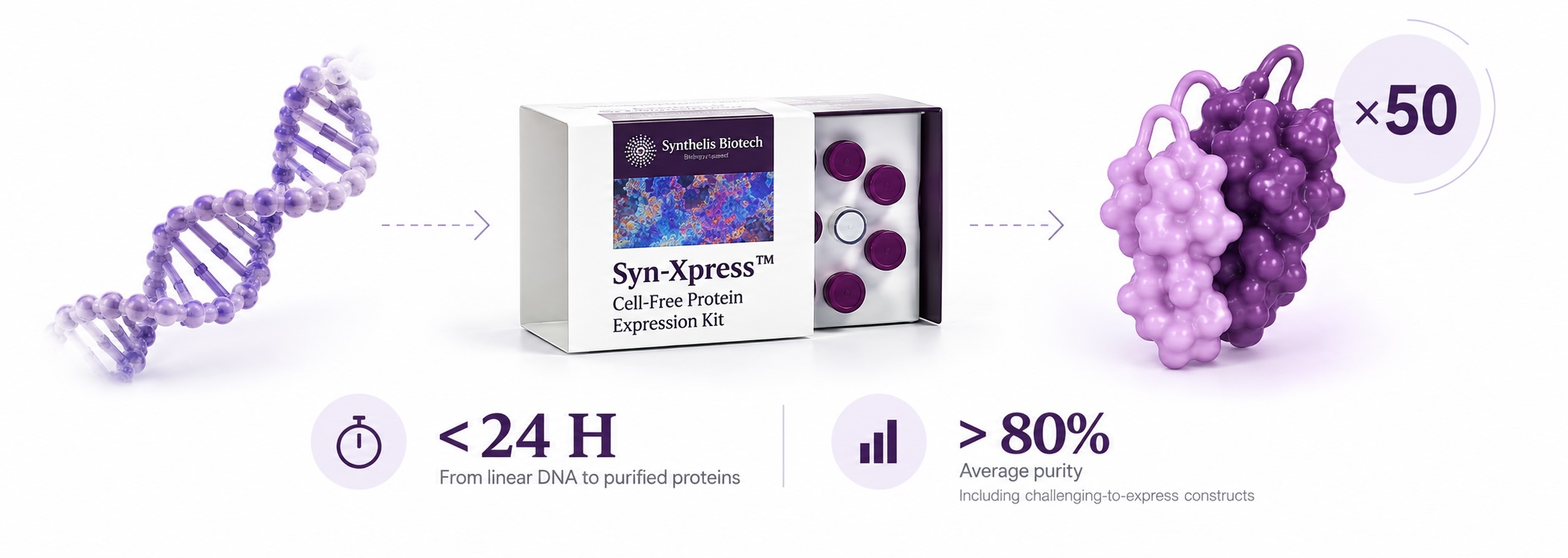
The Syn-Xpress™ Gold VHH Cell-free Expression Kit is specifically designed to simplify the production of antibodies (VHH/nanobodies) and minibinders. Its optimized formulation, enriched with a proprietary blend of additives and folding chaperones, enables high-yield expression directly from linear DNA templates, ensuring efficient synthesis even for proteins requiring disulfide bond formation.
SYN90022-A5-01
5 x 50 μL
225 €
SYN90022-B1-01
1 x 1 mL
800 €
SYN90022-B5-01
5 x 1 mL
3 500 €
SYN90022-P1-01
96 x 50 μL (1 plaque)
3 840 €
Get a free sample
Application notes
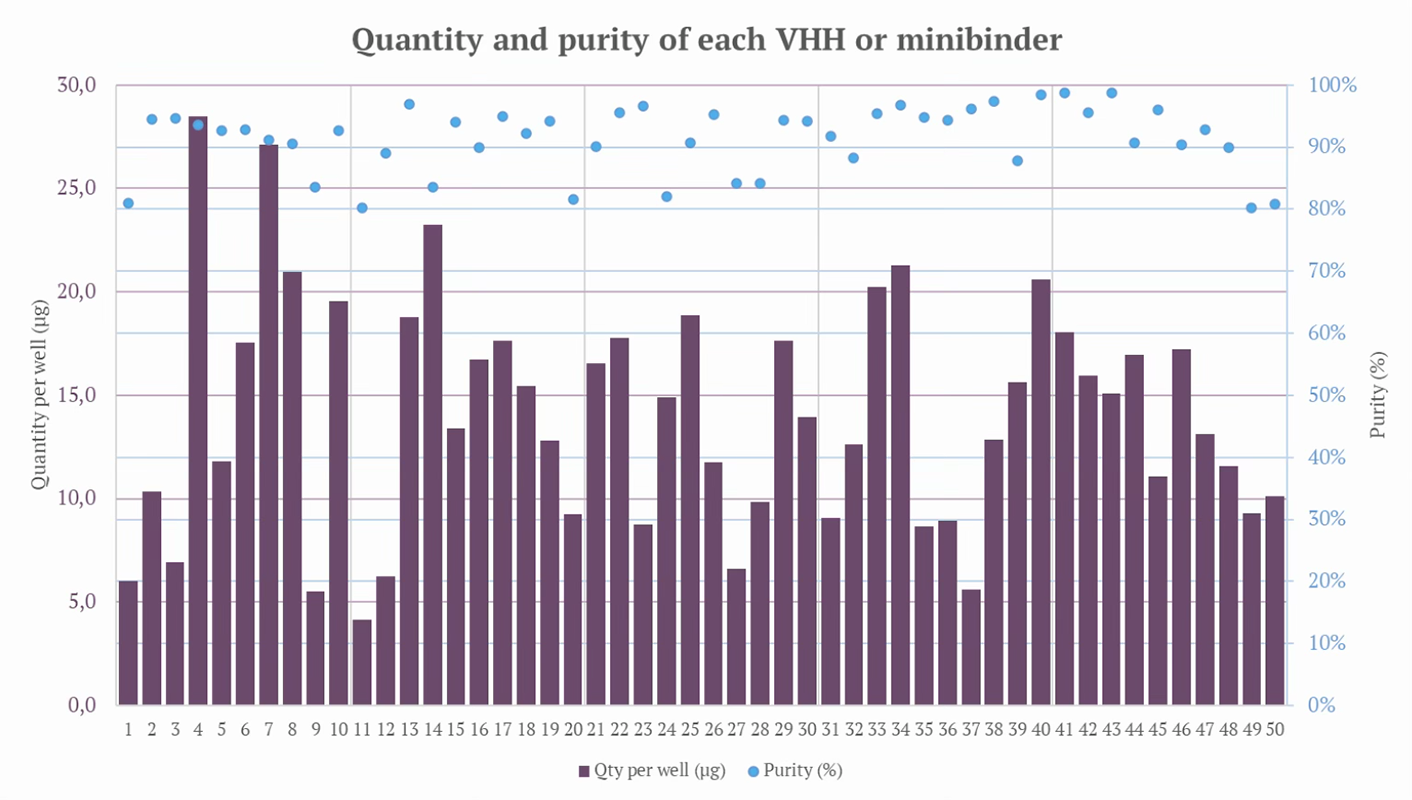
50 VHHs. 24 hours. 100% successfully expressed


Application domains

Domain
Biomedicines

Domain
Synthetic Biology
Domain
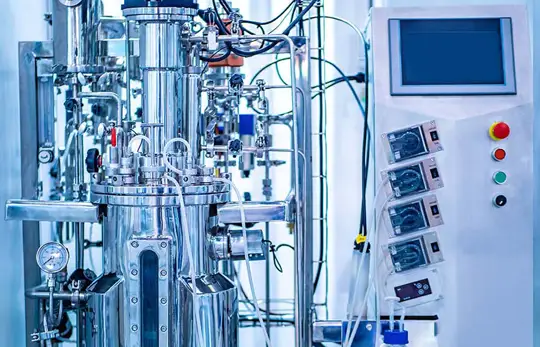
Bioproduction
Domain
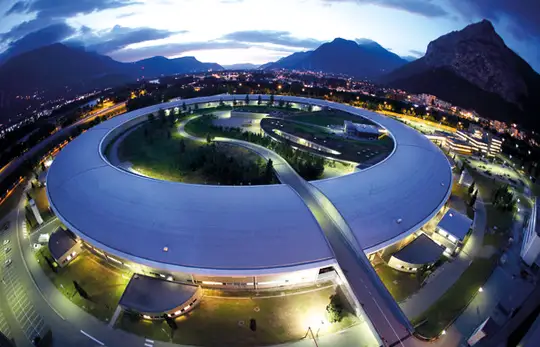
Structural Biology

Domain
Bioeconomy

Domain
Bioproduction “point of care”
FAQ
What is cell-free protein expression (CFPS)?
Cell-free protein synthesis (CFPS), also known as cell-free protein expression, is a protein production method performed outside living cells. It uses cellular extracts containing the natural transcription and translation machinery (enzymes, tRNAs, ribosomes, etc.), supplemented with an energy source, nucleoside triphosphates (NTPs), amino acids, and other additives. Starting from DNA or RNA, the protein of interest is produced directly in vitro. This approach reproduces gene expression without the need for a living cellular unit.
How does a cell-free protein expression system work?
A genetic template (DNA or RNA) is added to an active cell lysate containing the components required for transcription and translation. When starting from DNA (plasmid or linear), messenger RNA is first synthesized, then ribosomes assemble the polypeptide chain. The reaction takes place in an open and controlled environment. Biochemical conditions can be adjusted during synthesis.
What are the advantages of cell-free systems compared to cell-based systems?
Cell-free systems provide rapid results without the need for cell line construction or prolonged culture. The open system allows direct adjustment of the synthesis and folding environment, as well as the addition of cofactors, ligands, or other additives. It also reduces expression failures linked to cytotoxicity, instability, or aggregation. Cell-free expression is particularly well suited for early-stage characterization and experimental validation.
What types of recombinant proteins can be expressed using cell-free systems?
Any type of protein can be expressed using cell-free systems, including membrane proteins through the addition of stabilizers (lipids or detergents), multi-subunit protein complexes through co-translation of several polypeptides, and toxic proteins.
When should cell-free protein synthesis (CFPS) be chosen?
CFPS is particularly relevant when a protein is difficult to express or when rapid results are required. It is used for target validation, interaction studies, labeling, prototyping, and variant screening. It enables the rapid production of a testable protein before considering larger-scale production either in cell-free or cell-based systems.
Our customers talk about it
Laurent CHENE
Nicolas CHAUDET
Vincent POHER
Aaron SATO
Other products that may interest you

Bioluminescence Pro-substrate Hikarazine™ Z103

Bioluminescence Pro-substrate Hikarazine™ Z108
Our biodesigners
help you
to familiarize
yourself
with our system
If you encounter implementation difficulties, we will be able to accompany you.
Need a quote
or a specific request?
Even
a protein
needs
to express
its potential.
Cell-Free Systems Applications